The Universal Language of Soccer
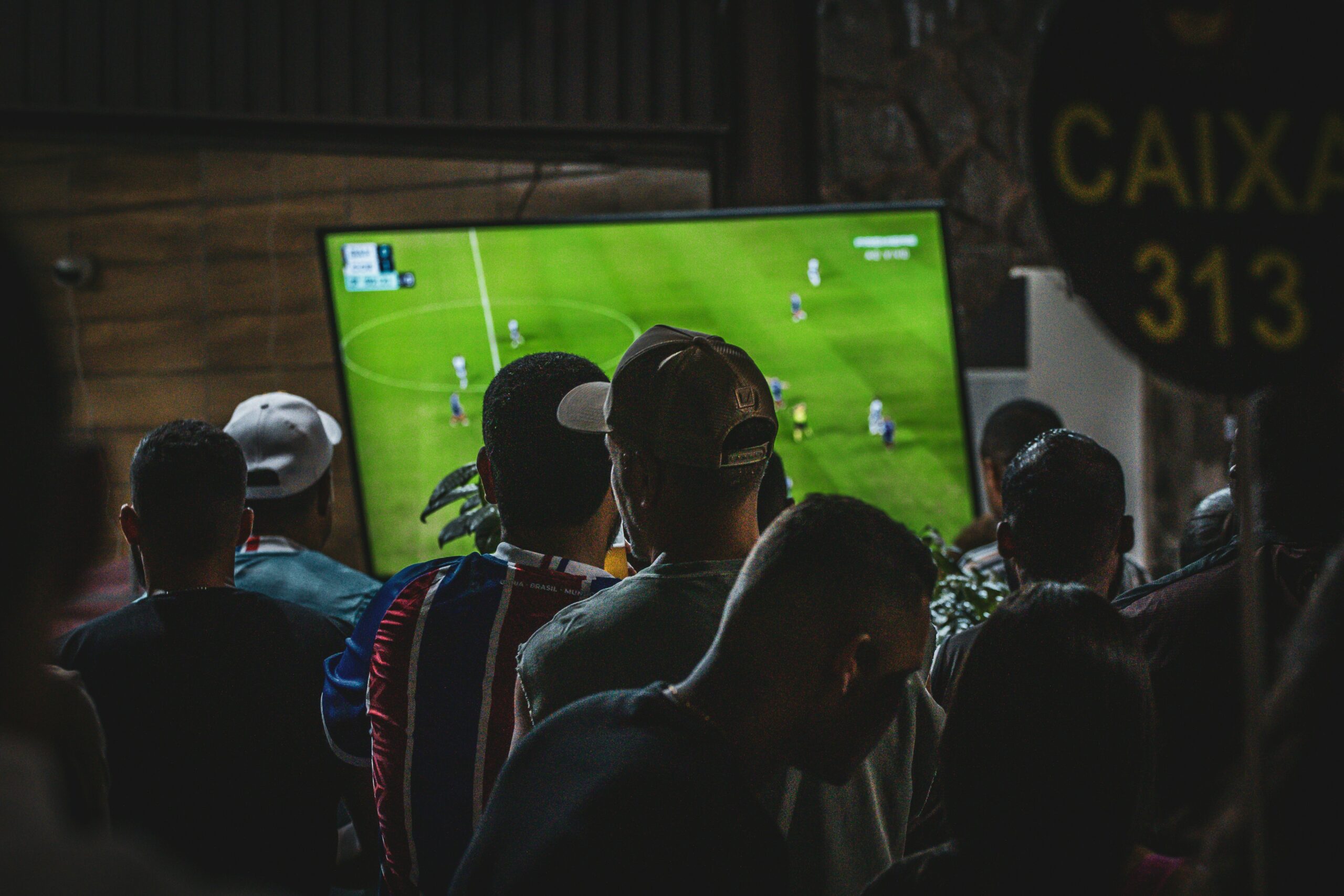
Photo credit: Unsplash
The cheers, the joy, the heartbreak, the frustration, and every emotion a soccer match can stir are all part of a shared experience that, every four years, brings millions of people together around the world.
For those of us who grew up in Latin America, watching the World Cup with Spanish commentary has always been part of the tradition. Hearing Andrés Cantor’s unmistakable “¡Gooooool!” instantly transports us back to the 1990s—to living rooms filled with family, neighbors, and friends, celebrating unforgettable goals, holding our breath after missed chances, and sharing the kind of emotions only soccer can bring.
A few days ago, comedian and television host Trevor Noah shared that he has been watching every World Cup match on Telemundo. Even though he doesn’t fully understand Spanish, he said the energy of the broadcast is unmatched and that he enjoys every moment of it—even the pausas de hidratación (hydration breaks). His observation captures something many of us have been noticing throughout the tournament: language may help tell the story, but emotion is what truly carries the game.
The numbers seem to back it up. Throughout this World Cup, millions of viewers across the United States have chosen to watch matches in Spanish. While Hispanics make up about 20% of the U.S. population, Telemundo and Peacock’s Spanish-language broadcasts have attracted audiences that extend far beyond the Hispanic community. It’s no longer just Spanish speakers tuning in. More and more viewers are discovering that passion can be felt in any language.
Maybe it’s the intensity of the commentary, the quality of the coverage, or simply the way we experience the game. Whatever the reason, this World Cup has accomplished something remarkable: it has transformed Spanish-language broadcasts into a shared experience for people from different cultures and linguistic backgrounds. And in doing so, it has brought us a little closer together.
As much as many of us aren’t ready for this World Cup to end, there’s comfort in knowing the next global celebration of the sport is already on the horizon. In July 2027, Brazil will host the FIFA Women’s World Cup, giving us another chance to gather with family and friends, wear our team colors, discover a new generation of extraordinary athletes, and once again experience a sport with the rare ability to make time stand still for ninety minutes.
Long after the final whistle, what stays with us isn’t just the score. It’s the memories we create around the game: the conversations before kickoff, the tension of a penalty shootout, spontaneous hugs, debates over an offside call, and those unforgettable celebrations that, if only for a moment, remind us that we’re all speaking the same language. Perhaps that’s the true legacy of the World Cup—not everyone speaks the same language, but that everyone understands the emotion of the game.