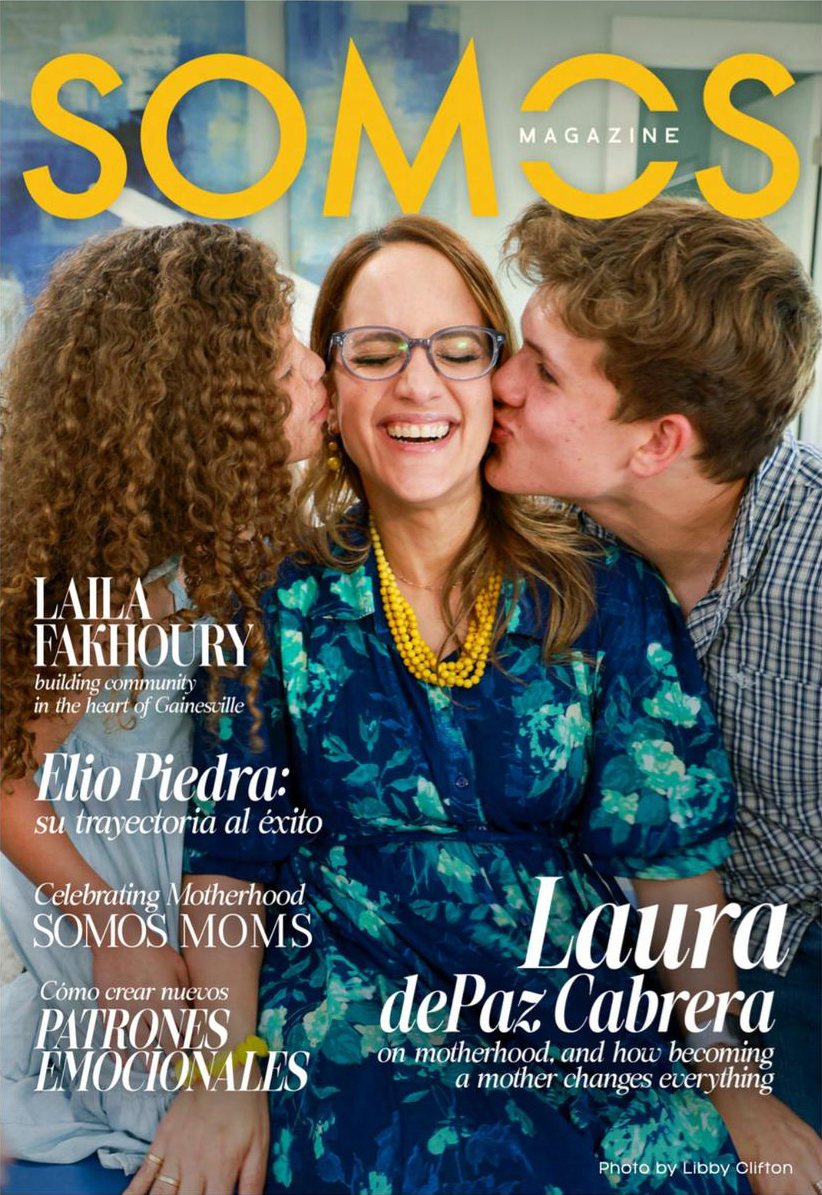
Laura dePaz Cabrera: Becoming a Mother Changes Everything
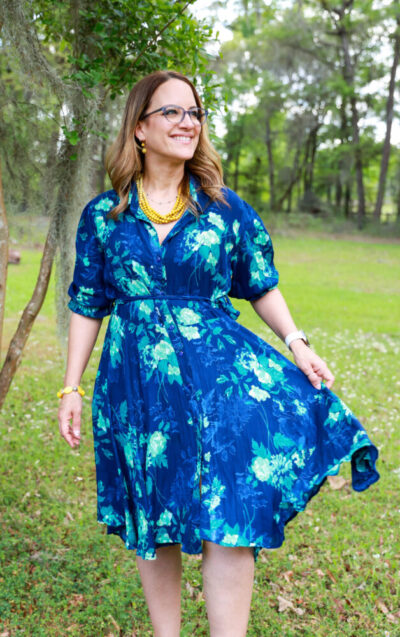
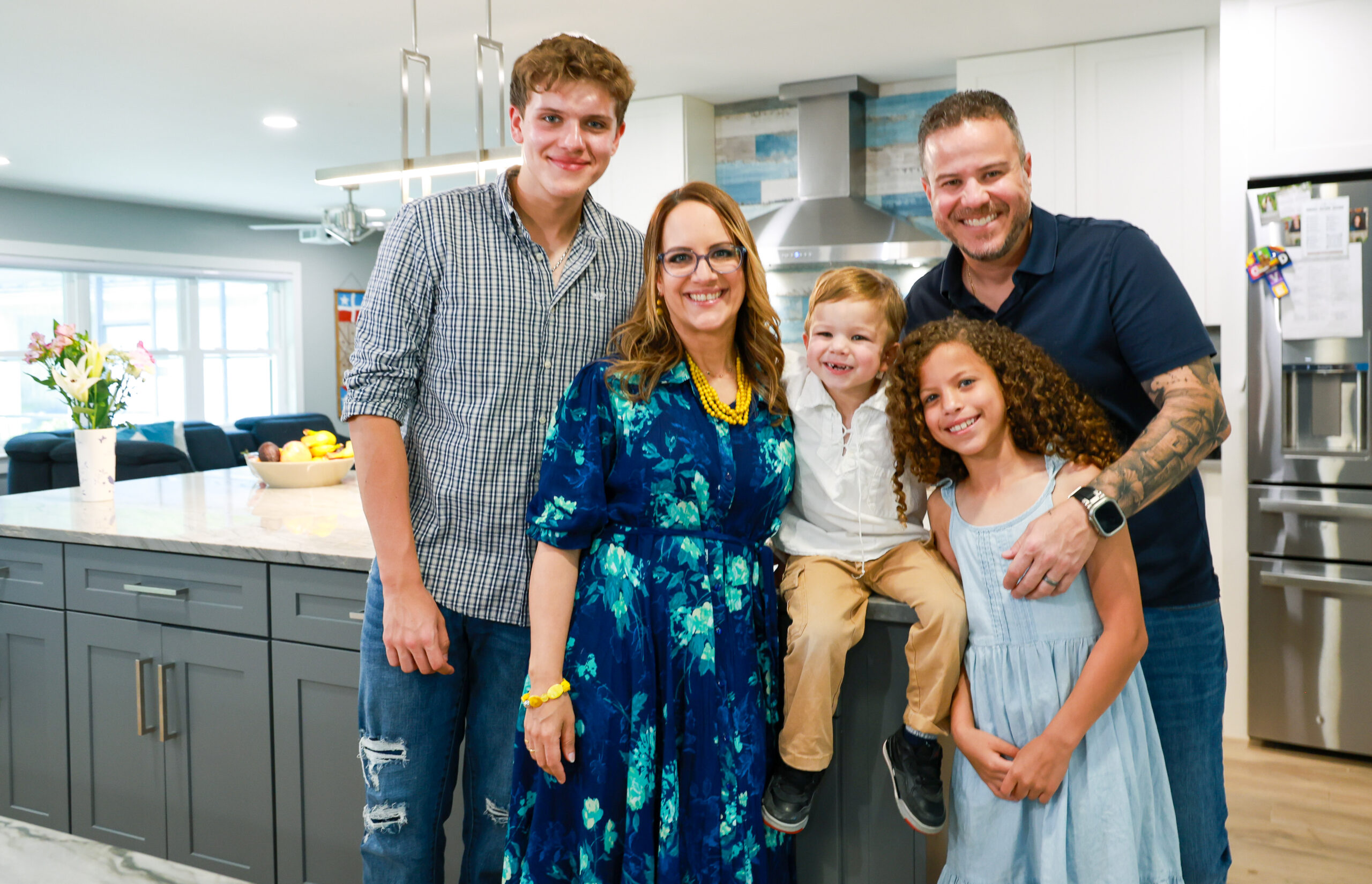
Photo by Libby Clifton
Laura dePaz Cabrera: being a mom, the core of everything she does.
Written by Karolina Banda
Photos by Libby Clifton
In a city like Gainesville, where cultures, hard work, and shared dreams intersect, there are women who hold multiple worlds together with a quiet strength and effortless grace that inspires. In this special Mother’s Day edition, we share the story of Laura de Paz, a closer look at motherhood through her lived experiences, and how it reshapes who you are.
A recognized immigration attorney in the community, a trusted voice who informs and guides, a singer on stage… and a mother.
For Laura, motherhood isn’t just a role; motherhood is present in everything she is and everything she does; the one hat she never takes off.
A mother of three, Laura has learned that raising children isn’t about shaping them, but about guiding them. It means leading by example, letting go of expectations, choosing your battles, and, above all, raising human beings with empathy, a voice, and an awareness of the world around them.
In the midst of a complex reality, shaped by the social and immigration challenges that she encounters firsthand professionally, Laura has chosen not to parent from fear, but to raise her children with intention grounded in truth, education, and humanity.
Beyond her professional achievements and presence in the community, we wanted to get to know Laura from a more personal space: as a mother.
Through stories and reflections, this is what she shared with us:
Let’s leaf through the past and go back to the beginning. Before everything you are today, how do you remember the little girl you once were?
I was the oldest daughter, the first granddaughter in a Latino family… and that already says a lot. As they say, the oldest daughter is like “the manager of the family,” and I think that defines me pretty well. From a young age, I was independent, curious, and very sharp.
I was born in Gainesville, but I was raised in a very Puerto Rican environment, surrounded by family. At home, it was all arroz con habichuelas, music by Juan Luis Guerra and Héctor Lavoe, and Spanish. My parents refused to let me speak English at home—something I’m very grateful for today, and something I try to pass on to my own children. Preserving my native language has helped me tremendously, both personally and professionally.
At the same time, outside of the home, reality was different, and because of that, I experienced an identity struggle. I felt very Puerto Rican, very Latina, through my food, my music, my language, but outside, it was different. At that time, there were very few Latino families in this area, so it was a challenge to understand who I was between those two worlds: home and school.
It’s something I’ve navigated my entire life. However, I’ve always been curious, open to learning about other cultures, traveling, exploring… but with family always at the center. That was never negotiable for me. That duality shaped me. It taught me how to adapt, how to observe, and how to connect with different worlds without losing who I am.
Which values from your Latino culture have you chosen as non-negotiables in your home?
Without a doubt, a sense of community and humanity.
I had the privilege of having grandparents take us to Puerto Rico every summer, and that’s where I truly experienced what the community feels like.
In Puerto Rico, even today, and I imagine in many Latin American countries, you can be sitting in a café, and someone walks in and says, “Buen Provecho” or “Good Morning.” You don’t know them, you don’t know their name, but there’s this instinct to acknowledge one another, to make eye contact, to connect. Over there, everyone is family. Everyone is “tía,” “tío.” If a neighbor needs something, you think, what can I do? There’s a spirit of collaboration.
Of course, especially now as a mom, you have to be cautious. It’s not about trusting everyone blindly, but also not isolating yourself. It’s about understanding that the decisions we make can impact others. It is about finding a balance and making a sound judgement. If one decision doesn’t affect me, but could help someone else or prevent harm, then as a human being, I believe it’s important to choose that path.
No matter how much you do outside of being a mom, you can never “take that hat off.”That role touches everything… every decision, every moment, every action from the moment you become a mother. Your children influence every part of you, all the time. 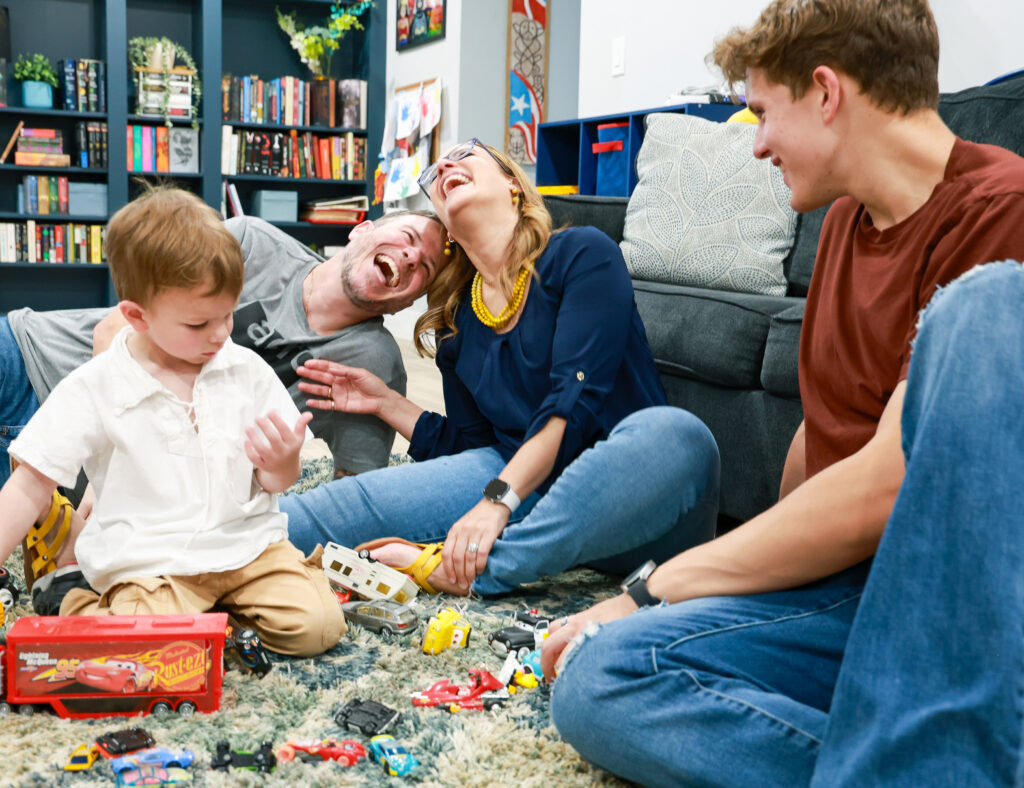
What changed in you when you became a mother?
Everything. Everything, everything.
It’s funny… when you’re pregnant for the first time, people tell you your life will change, and logically, you think, yes, of course. But you don’t really understand how big that change is… it’s irreversible. The life you had, your independence, your sense of control… that version of life is gone. From that moment on, you carry a constant concern for lives that are not your own. Every decision now carries a different weight, multiplying in importance, concern and attention.
For me, being a mother is the hardest job in the world. It also completely changed my sense of mortality. After becoming a mom, I developed a real fear of flying. I used to travel to Puerto Rico every couple of months in my early twenties without a second thought. Now everything feels different. Leaving the house, driving, traveling alone. It all comes with that question: what if something happens to me?
And there’s also that constant awareness of needing to be there for them—of giving them support, giving them love, and finding a balance between being a mom, a professional, a wife, and a daughter.
I’ve always said that my “why” is my family. But sometimes that “why” competes with other responsibilities. Being a mom means constantly trying to balance people, responsibilities, and lives that are essential to you.
What part of motherhood has surprised you the most?
The constant balance between your different roles and responsibilities. And the fact that no matter how much you do outside of being a mom, you can never “take that hat off.”That role touches everything… every decision, every moment, every action from the moment you become a mother. Your children influence every part of you, all the time.
What have you learned about yourself through motherhood?
That if I can be even 15% of the mother mine has been to me (and still is), my children will be blessed. Motherhood has made me realize how underestimated moms are, until you experience it yourself and truly understand everything they do. My mom has been an example of unconditional love and selflessness. If I can be even a small fraction of that, I know my kids will be okay.
Each of your children has a different essence. What have you learned from them?
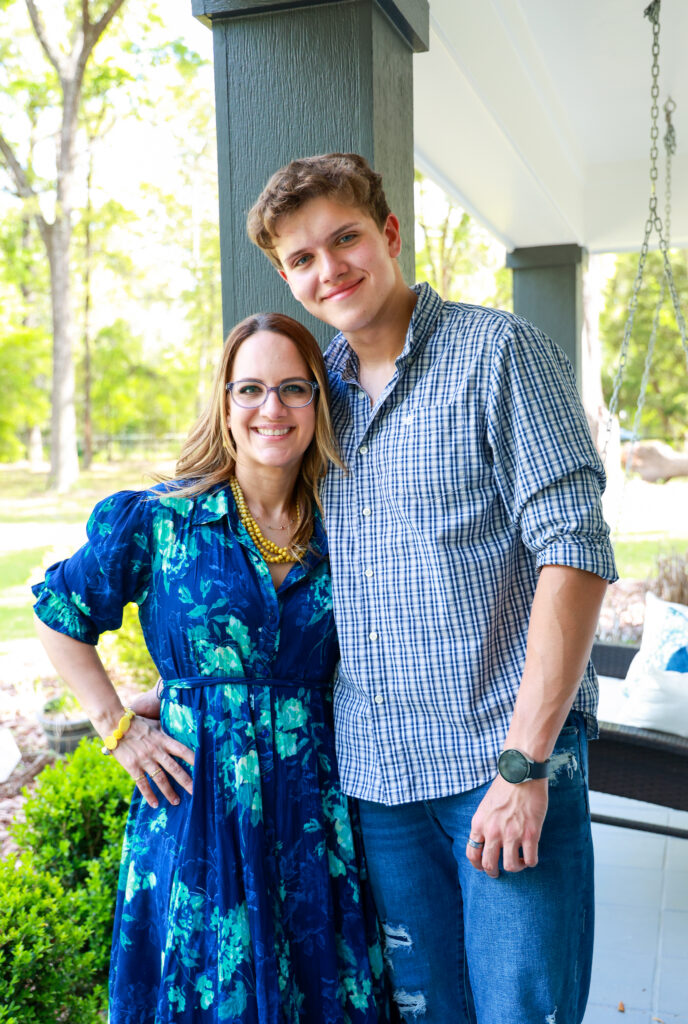
Ethan, my oldest, has taught me patience. To understand that just because you can do something doesn’t mean you should. To let go of expectations and allow him to find his own path.
Camila has taught me sensitivity, empathy, and joy. She reminds me to reconnect with the lighter side of life, to laugh, to be silly, and to enjoy simple things.
And Alejandro, my youngest… he has taught me to let go. To pick my battles. To constantly ask myself, how important is this really?
Each child comes with their own essence, and as a mother, you learn that it’s not about shaping them, it’s about guiding and walking beside them.
What hopes do you have for your children’s generation?
I have hope. I really do. This generation is more open, more human, and less judgmental. My son, for example, sees things that were once difficult for previous generations. That gives me hope. The drifts we see today come from fear and lack of understanding. I believe they will see beyond that.
You help many families during vulnerable moments related to immigration issues. How does that impact the way you parent?
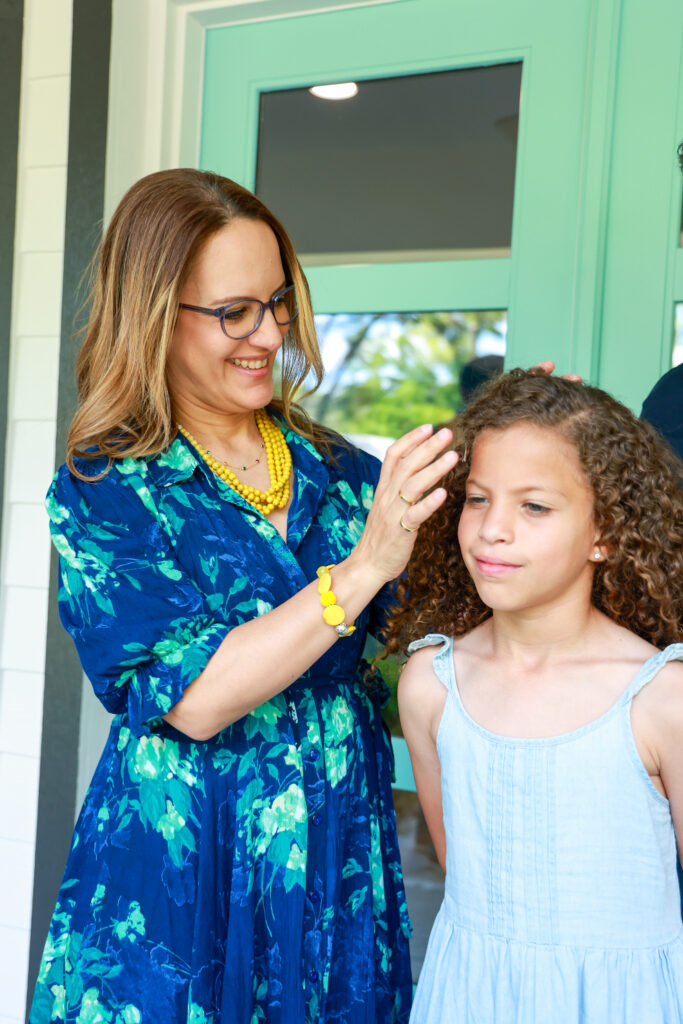
It goes hand in hand. The work I do and the families I serve directly impact our communities and our society — the same ones my children are growing up in and will eventually become adults in. I try to teach them that we are all part of the same humanity. That most of the decisions we make and the things we do have a ripple effect; they don’t only affect us as individuals. I also teach them that when we face decisions that may benefit us but harm others, we have a responsibility as human beings to always choose the option that causes the least harm or generates the greatest good — even if that means the personal benefit to me is smaller. A large part of my profession, especially right now, requires that I sacrifice time with my children. It is a sacrifice, but also a decision I constantly have to balance. Although in many cases my children and I might benefit more if I focused solely on them, when the opportunity arises, choosing — at certain moments and when necessary — to give up that time for the families I serve is a way of choosing the greater good over personal gain. I try to lead by example and cultivate in them a deep sense of community, humanity, and connection, with the hope that they grow into advocates for justice who use their voices to amplify those who don’t always have one.
As a mother, how have you helped your children understand complex topics like immigration?
As a mother, I try not to parent from a place of fear, but not from ignorance either. It’s about finding that balance of how to talk to them based on their age, without hiding reality. I always explain the why behind what I do. That my work is not just a job, but that it impacts real lives and that there are people who depend on decisions made every day. I also try to help them understand the privilege we have and the responsibility that comes with it. That not everyone has the same opportunities, and that’s not something you can ignore. It’s important to me that they have a voice. That they don’t stay silent in the face of injustice, that they can stand up for others, that they understand that even one word, one action, can make a difference. And also to teach them empathy — to see the humanity in other people, to not judge without understanding, to know that behind every story there is something more.
When you feel tired or overwhelmed, who holds you up? Who takes care of you amid everything you give to others?
Funnily enough, my mom.
I have the privilege of having her very close, being able to see her and talk to her every day. At this point in my life, she is still my safe place.
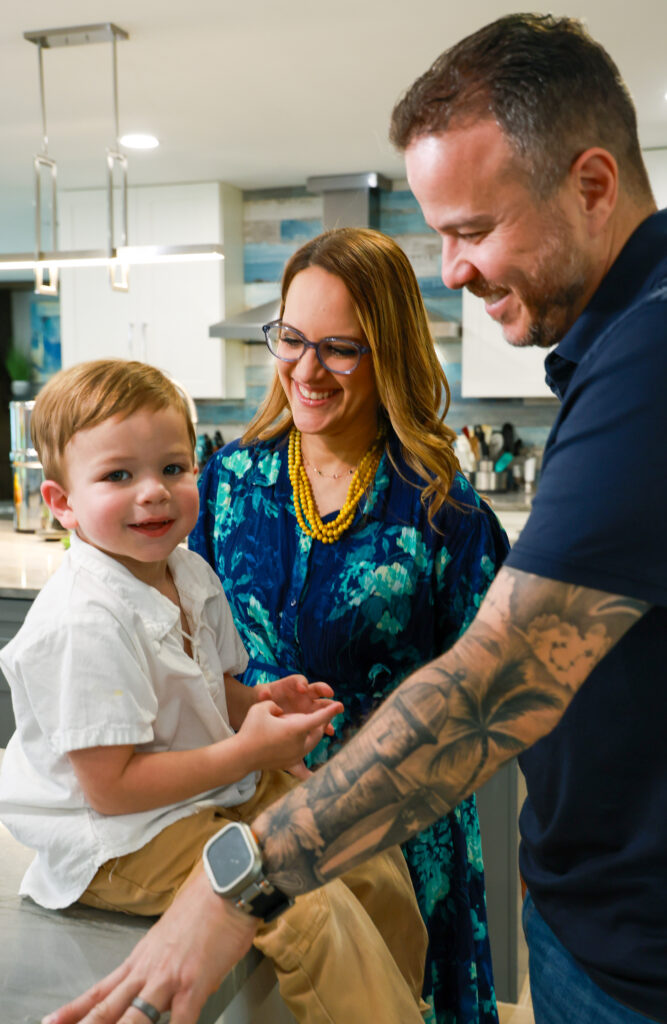
And my husband… without a doubt. He is my partner in every sense of the word. When I’m at 10%, he’s at 100%. We hold each other up, and that makes all the difference.
I also have a group of friends, especially in my professional circle, who understand what this life is like. I don’t have to explain much, because the understanding is already there. But in the end, it’s my family. My core. The people who remind me that I don’t have to carry everything alone.
If your children read this interview 20 years from now, what would you want them to understand about you?
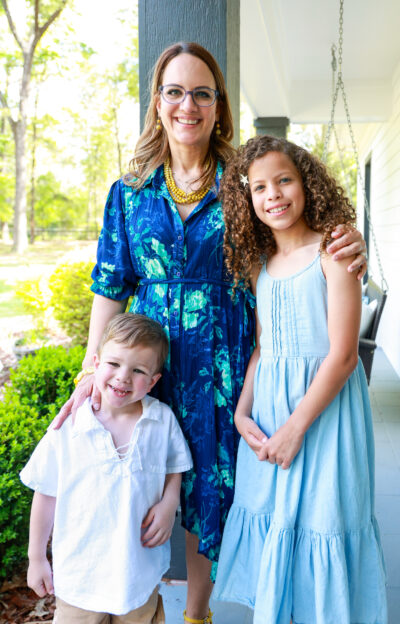
That everything I did, I did for them. That it hasn’t been easy. That the balance is never perfect. But that every decision, even the hardest ones, was made with the intention of giving them the best. I hope they are proud of me. That they understand I tried to be the best mother I could be, not perfect, but present, intentional, and full of love. And that, in the end, they remember me with the same warmth, admiration, and gratitude with which I look at my own mom.
From my conversation with Laura, one thing is unmistakably evident: she doesn’t try to be everything all at once. And yet, somehow, she is.
Within her, different dimensions of a life built with intention coexist. This life has not been created to achieve perfection, or to get validation, or to be rewarded, but it is an earnest effort to be present daily, to guide, to love, and to build something meaningful for her children.
Because at the end of the day, beyond all her roles, there is one certainty that holds everything together: her “why” is her family.
And it is from that safe harbour she continues to move forward, even on the most taxing days, knowing that what truly remains is in the example she is setting, the foundation she is laying for her children, in the memories she is creating through love, and in that deep human essence that does not have to be perfect, but is invariably real and authentic.
And perhaps, that is her greatest legacy.