Bring Spring Indoors: The Joy of Growing Plants at Home
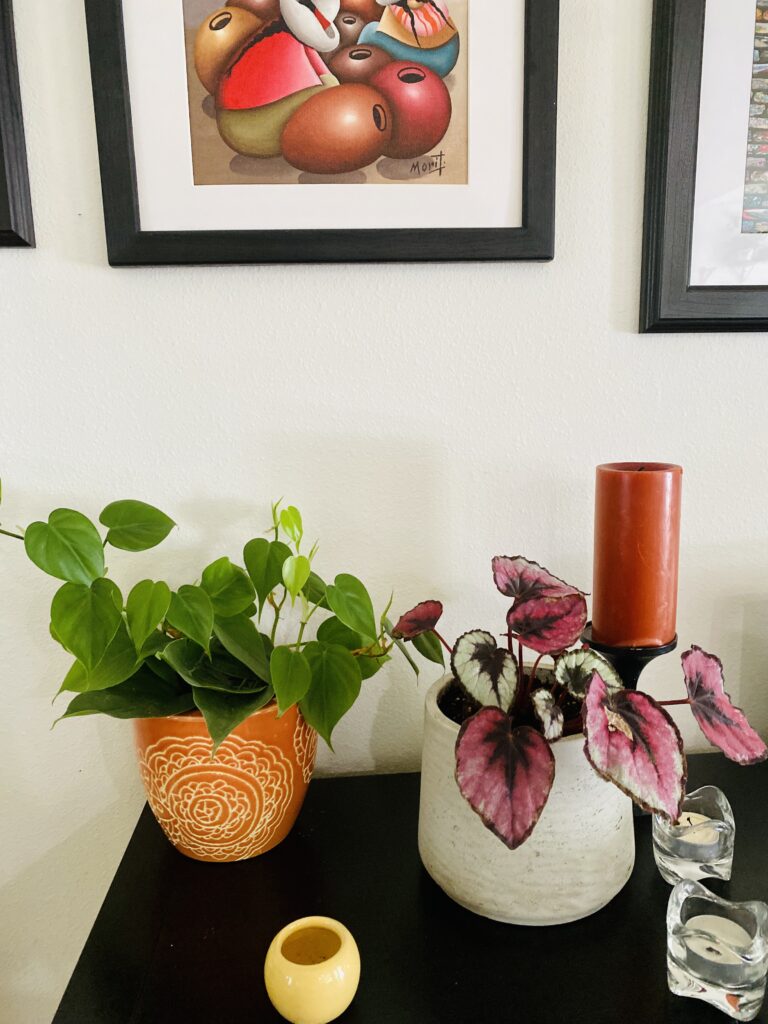
Have you ever walked into a friend’s home or a restaurant and immediately felt that everything looked more beautiful? The light seems softer, the space more inviting, and there’s a sense of calm that’s hard to explain.
Then you notice it: the plants!
A few touches of green can transform an ordinary room into a space that feels intentional, colorful, and full of life. If your home has been missing a little something lately, plants might be the simple change that makes all the difference.
Spring doesn’t arrive quietly. It comes as an invitation to open the windows, refresh our spaces, and welcome new growth. There’s no better time to start an indoor garden—even if you’ve never owned a plant before.
Where Do I Start?
My best gardening secret is surprisingly simple: find a friend who is obsessed with plants.
You know exactly who I mean.
Plant lovers rarely keep their enthusiasm to themselves. One cutting here, a baby Monstera there, and before you know it, you’ve started a collection without spending a dollar. Just a little generosity, a pair of scissors, and a glass of water.
The Queens of the Plant World: Monstera and Pothos
If you don’t already own a Monstera, consider this your sign. With its dramatic split leaves and bold tropical personality, it instantly elevates any room.
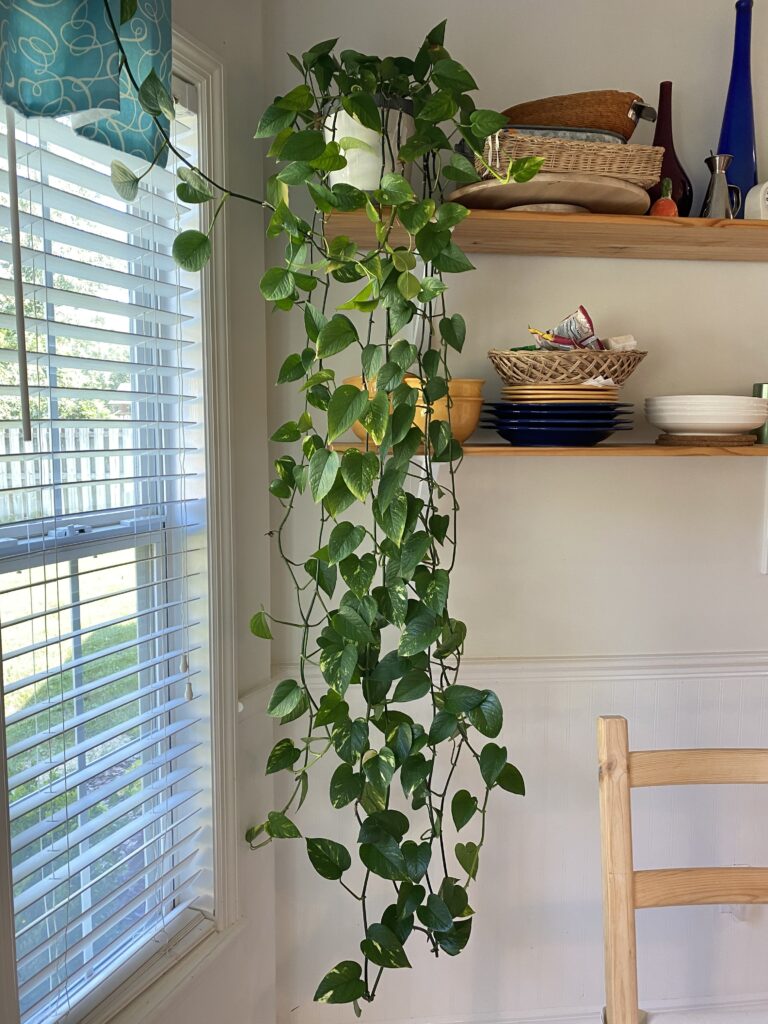
And then there’s the Pothos—the plant that seems determined to survive almost anything. It’s forgiving, adaptable, and perfect for beginners who are still building confidence in their plant-parent skills.
These two favorites share a few wonderful qualities:
- Easy to propagate
- Fast-growing during spring
- Capable of transforming any space
A Note for Pet Parents
Both Monsteras and Pothos are toxic if chewed by cats or dogs. Fortunately, the solution is simple: place them on high shelves or in hanging planters, which often look even more beautiful.
How to Propagate Like a Pro
The word “propagation” may sound intimidating, but it simply means creating new plants from an existing one.
Free plants? Exactly.
Step 1: Find the Right Cutting
Look for a healthy stem with at least one node—the small bump along the stem where roots develop. Without a node, there’s no magic. Using clean scissors, cut just below it.
Step 2: Water or Soil?
Both methods work well.
- Water Propagation: Place the cutting in a clear container filled with water. Watching roots emerge is part of the fun. Change the water weekly, but don’t panic if you occasionally forget.
- Soil Propagation: Plant the cutting directly into moist soil. In some cases, roots establish more quickly, but it requires a little more attention in the beginning.
Step 3: Choose the Right Soil
Not all potting mixes are created equal.
Monsteras thrive in a well-draining blend of potting soil and perlite, which helps prevent excess moisture and keeps roots healthy.
Pothos are less demanding but also appreciate good drainage.
Let There Be Light
When it comes to healthy plants, location is everything.
Before deciding where to place your new greenery, take a look at your windows:
- East-facing: Gentle morning light, ideal for most tropical plants.
- West-facing: Stronger afternoon sun, great for Pothos.
- North-facing: Lower light conditions, best for Pothos or ZZ plants.
- South-facing: Bright, consistent light where Monsteras truly thrive.
Not blessed with abundant natural light? Don’t worry. A quality grow light can make a remarkable difference.
The Bottom Line
You don’t need a “green thumb.” You simply need to begin.
Plants are far more generous than most people realize. Spring offers the perfect opportunity to bring life indoors, and your home deserves the beauty, energy, and warmth they provide. And if you’ve read this far, chances are a part of you already wants a plant.
Listen to that feeling. Call your plant-loving friend. Grab a pair of scissors. Find a glass of water. Start small.
Plants don’t judge. They don’t complain. They ask for very little—just light, water, and a bit of attention. In return, they bring color, vitality, and a quiet joy that can transform an entire space.
So, what are you waiting for?