
5 Habits to Help You Build a Wellness Mindset
Sometimes, when people think of wellness, they think of perfection. A flawless routine and feeling good 24/7.
In reality, wellness goes far beyond what we often see online. It’s not all about yoga or finding your zen state, and it’s certainly not about having a perfect routine where you feel happy all the time.
Wellness is feeling good and at peace with your body and mind. It’s a journey.
For me, it’s about constantly working on myself and how I can make myself feel better in all areas of my life: school, work, eating habits, exercise, family, and community. Practicing wellness can look like going for a walk after a stressful day or deciding to stay in to prioritize rest.
Here are some strategies that have helped me along the way to feel present and well.
Remember: each person has their own journey, and what works for me might not work for someone else.
1. Identify your feelings in the morning
During your morning routine, take a moment to notice how you’re feeling. Once you identify the main emotion, ask yourself if that’s the energy you want to carry with you for the rest of the day. If the answer is yes, think about what small things you can do to maintain that feeling.
If the answer is no, how can you shift your mood during the day? Maybe it’s as simple as enjoying your favorite comfort food or watching an episode of a show you love. It can be any activity you enjoy that helps you feel better.
2. Food before coffee
Sometimes we get so caught up in our routines that we think the fastest way to wake up is by having caffeine first thing in the morning, but this can have some potential side effects. According to the Cleveland Clinic, drinking coffee on an empty stomach can make you feel anxious, jittery, or irritable.
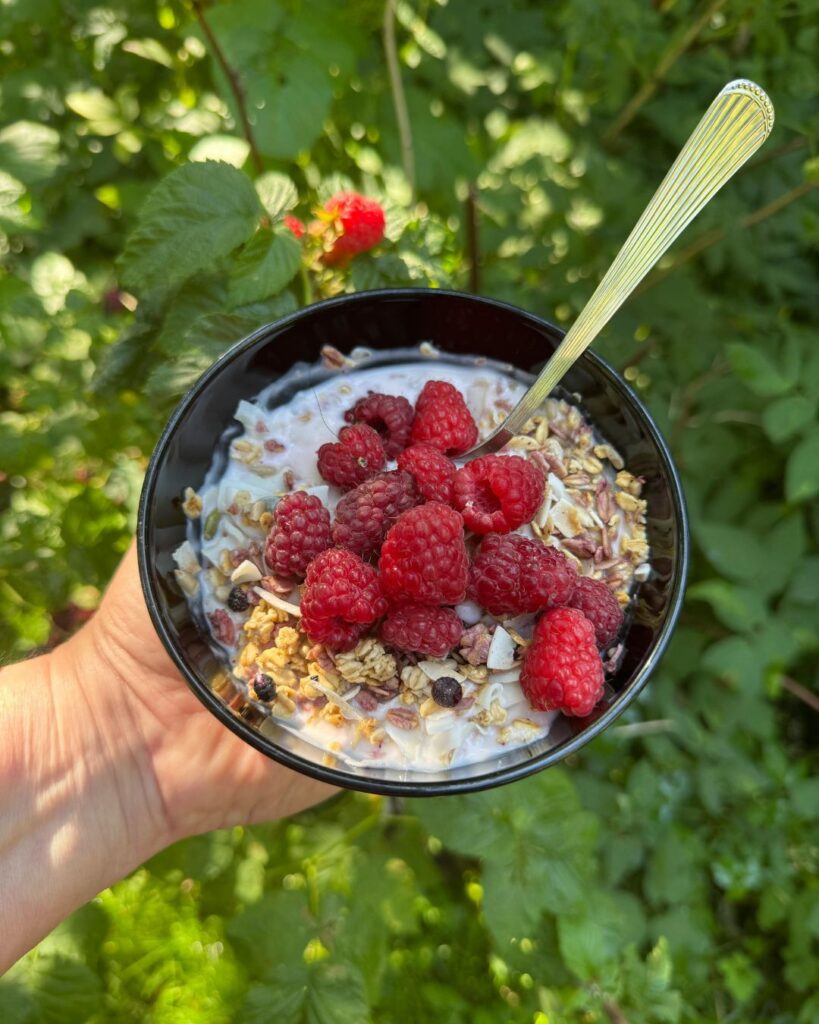
Make a simple shift. Try starting your morning with a protein-rich meal instead. It helps keep your energy steady, makes you feel full longer, and helps you start your day feeling better.
3. Not using your phone or watching TV while eating
This is something I catch myself doing all the time, and I’m trying to improve. We are always trying to be entertained, and we sometimes forget that it’s okay to be bored or just give our brains a break from all the media we consume every day.
Putting your phone away or turning off the TV while eating is a way to be present and pay attention to what you’re putting into your body.
4. Moving your body
Sounds cliché, I know, but it really does work. Exercise is the #1 way to boost serotonin naturally, a neurotransmitter that also acts as a hormone and plays multiple roles in your body, such as regulating sleep, memory, and, of course, happiness.
According to Mental Health America, just 20 minutes a day can help increase serotonin levels. Exercise can feel even more rewarding when it’s something you genuinely enjoy and look forward to. If you like dancing, you could join a local community dance group (like Gator Salsa) or just play your favorite song and dance in your room.
And if you think 20 minutes won’t do much, remember that 20 minutes of movement is better than nothing.
5. Practicing self-compassion
For one of my classes this semester, we’ve been reading The Gift of Imperfection by Brené Brown, and every week we identify a feeling within ourselves and relate it to what we have read in the book. This book talks a lot about self-compassion and how to start implementing it into your life.
For example, instead of spending an hour at the gym, I chose to go on a 20-minute walk because I was feeling too tired. I could have been hard on myself for skipping the gym and found a million reasons to feel guilty, but instead I chose self-compassion.
I understand that not every day has to look the same when it comes to exercise. Some days I feel more energetic and will work out for an hour, but there are also days when I need to prioritize my well-being and focus on simply feeling good. In those moments, that might look like going for a quick, relaxing walk.
Now, try to identify the actions and habits that help you feel present and allow you to slow down. Everyone’s wellness journey looks different, and what works for one person might not work for another. The important part is paying attention to what makes you feel balanced and supported in your daily life.
At the end of the day, wellness is about finding what helps you feel grounded and making space for those habits in your life. Start small, be kind to yourself, and remember that progress matters more than perfection.